

Research-based programs

Eleven weeks, one small group.

Cancer Lifeline offers two online programs that bring studied stress and coping practices to people living with cancer. Each is led by clinical facilitators and was developed by researchers.

Research is only useful when it reaches people.Together with Dr. Bonnie McGregor,we are bringing programsthat have been studiedinto our community now.Research is only useful when it reaches people.Together with Dr. Bonnie McGregor,we are bringing programsthat have been studiedinto our community now.Research is only usefulwhen it reaches people.Together with Dr. Bonnie McGregor,we are bringing programsthat have been studiedinto our community now.Research is only usefulwhen it reaches people.Together withDr. Bonnie McGregor,we are bringing programsthat have been studiedinto our community now.

Cancer asks a lot of a person, and much of it happens between appointments. There are decisions to make, news to take in, and a body that may not feel like your own. For many people, what helps most is not more information. It is a way to steady yourself, and company while you learn how.

Cancer Lifeline CARES is open to anyone with a cancer diagnosis. Living WELL with Ovarian Cancer is for people with an ovarian cancer diagnosis. Each program meets for eleven weekly sessions of about two hours, online, in a group of up to eight people.

Both were developed by Dr. Bonnie McGregor, Research and Clinical Director for Cancer Lifeline, together with other researchers. This page explains what happens in the groups, what we can say about the research, who leads them, and how to join.

The path

Questions people ask before they join

You do not have to have it all figured out. Here is what we can tell you about each part.

You’re tired of working this out on your own.

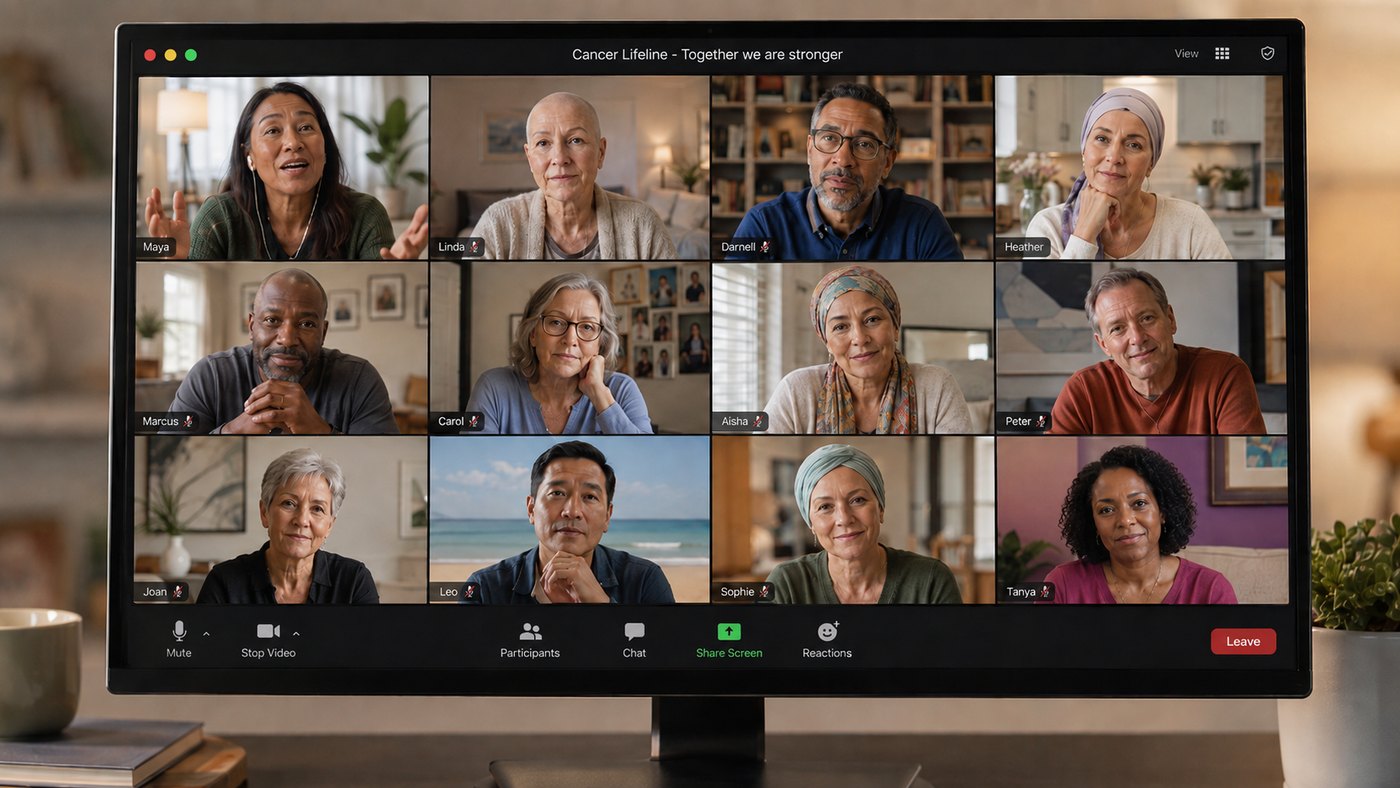
An illustration of a computer screen showing twelve people in an online support group.
An illustration of an online group. Each series has up to eight participants.

These programs are built around being with other people. You meet with the same small group every week for eleven weeks, so you come to know who is in the room.

A facilitator leads each session and guides group support for the emotional and physical challenges of cancer. You are welcome whether you are in active treatment, living with recurrent disease, or in remission or survivorship.

You want to know what you will actually do.

Each session runs about two hours. You learn stress reduction practices, along with mindfulness and relaxation techniques you can use during and after treatment. You also talk with the group about what is coming up for you.

Every participant receives a workbook and 10 guided relaxation recordings.

You want to know what the research says.

Both programs are grounded in clinical research. The practices at their center are evidence-based approaches to stress reduction, mindfulness, and relaxation.

When we describe the evidence, we keep two things apart: what researchers studied, and what participants tell us about their own experience.

You’d like to know who is leading the group.

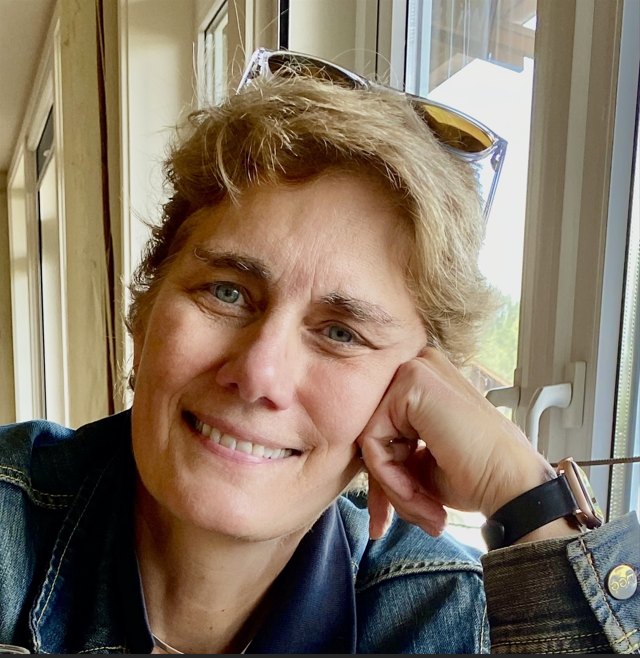
Dr. Bonnie McGregor smiling, resting her chin on her hand, with sunglasses on top of her head.
Dr. Bonnie McGregor, Research and Clinical Director for Cancer Lifeline.

Dr. Bonnie McGregor founded Orion Center for Integrative Medicine and serves as Research and Clinical Director for Cancer Lifeline. She developed both programs with other researchers. She is not the only clinician who leads them: each series is led by clinical facilitators, and your registration tells you who will be leading your group. Her research partnerships include the University of Washington and other institutions, on two studies funded by the National Institutes of Health.

You’re wondering if this is right for you, and what it costs.

Both programs welcome people in treatment and people after it. If you have been to a 3-Day Cancer Retreat with Harmony Retreats, a program of Cancer Lifeline, you are especially encouraged to join.

Living WELL with Ovarian Cancer has a $25 registration fee, and donor support covers the program itself. Cancer Lifeline CARES uses three pay-what-you-can tiers of $550, $250, and $55. You choose the tier that fits your situation, and there is no application or approval process.

The programs

Choose the program that fits.

Dates for 2027 sessions are not posted yet. Registration is not open for either program right now.

Cancer Lifeline CARES

Coping, Awareness, Resilience, and Empowerment for survivorship. Formerly called Living SMART.

Who it’s for
Anyone with a cancer diagnosis, in active treatment or in remission.
Format
Eleven weekly sessions of 2 hours, online by Zoom, in a group of 8.
Led by
Clinical facilitators. Your registration tells you who is leading your group.
What it costs
Pay what you can: $550, $250, or $55. No application or approval.
Included
A workbook and 10 guided relaxation recordings.

2027 Sessions Coming Soon

Living WELL with Ovarian Cancer

A program for people living with an ovarian cancer diagnosis.

Who it’s for
Anyone with an ovarian cancer diagnosis: in active treatment, living with recurrent disease, or in survivorship.
Format
Eleven weekly sessions of about 2 hours, online by Zoom, in a group of 8.
Led by
Clinical facilitators. Your registration tells you who is leading your group.
What it costs
A $25 registration fee. The program itself is free through donor support.
Included
A workbook and 10 recorded guided relaxation and meditation sessions.

2027 Sessions Coming Soon

You’re ready to take a next step.

Groups are limited to eight people. If you would like to hear when 2027 sessions open, call the Lifeline and ask.

Also on the path

Other ways to find support

You want to meet others who understand.

Support groups gather around a particular diagnosis or around a season, such as living with advanced cancer or finding your way afterward.

You’d like to talk with a counselor.

Cancer Lifeline offers counseling for people affected by cancer.

You need time to step away.

3-Day Cancer Retreats are held with Harmony Retreats, a program of Cancer Lifeline. They carry nominal administrative fees that can be waived or subsidized.

You’re worried about the cost of cancer.

The Patient Financial Assistance Fund is reached through oncology social workers and health care professionals. The place to begin is your own care team.

Help keep programs like these within reach.

Give

Donor support is part of how Living WELL with Ovarian Cancer is offered with the program itself at no charge. Your gift helps Cancer Lifeline offer support to more people.

Volunteer

Volunteers are part of how Cancer Lifeline reaches people. Find out what opportunities are open right now.

If someone you know could use this, you can send them this page.

6522 Fremont Ave N, Seattle, WA 98103Lifeline: 206.297.2500

Visit cancerlifeline.org (opens in a new window)