Where the Light Gets In: Kintsugi, Community, and the Art of Healing with Basha Brownstein
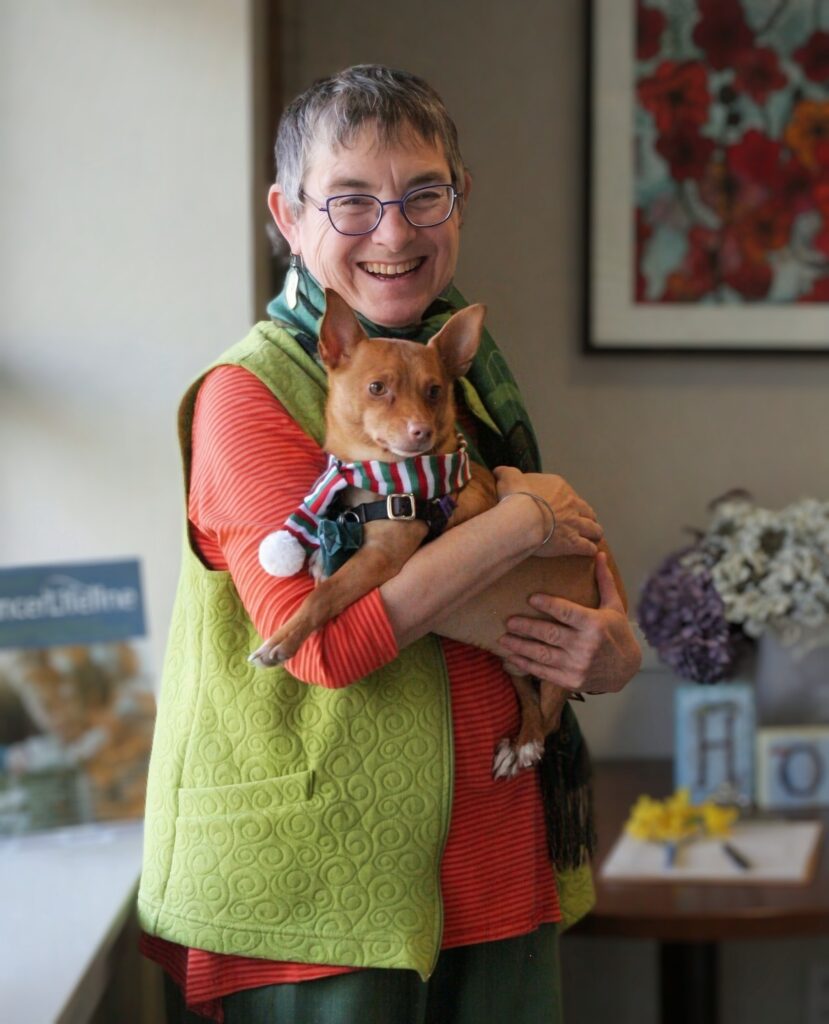
When Basha stepped into the kintsugi-inspired workshop at Cancer Lifeline, a collaboration with Nicola Davis, Certified Leadership Coach, she did so holding many truths at once: she was both facilitator and survivor, guide and witness, teacher and student of the unknown.
“Alive,” is how she describes the feeling.
“There’s something intangible but vital about creating a space for people facing life-threatening illness and then meeting them face to face. How will it unfold? That place of not knowing—it has an electric charge. I love the chaos of it.”
That openness to uncertainty is not theoretical for Basha. She is a two-time breast cancer survivor—first diagnosed in 1994, then again in 2007. With cancer, she says, the truth that none of us know what the future holds becomes undeniable. The workshop, grounded in the philosophy of kintsugi, mirrored that reality.
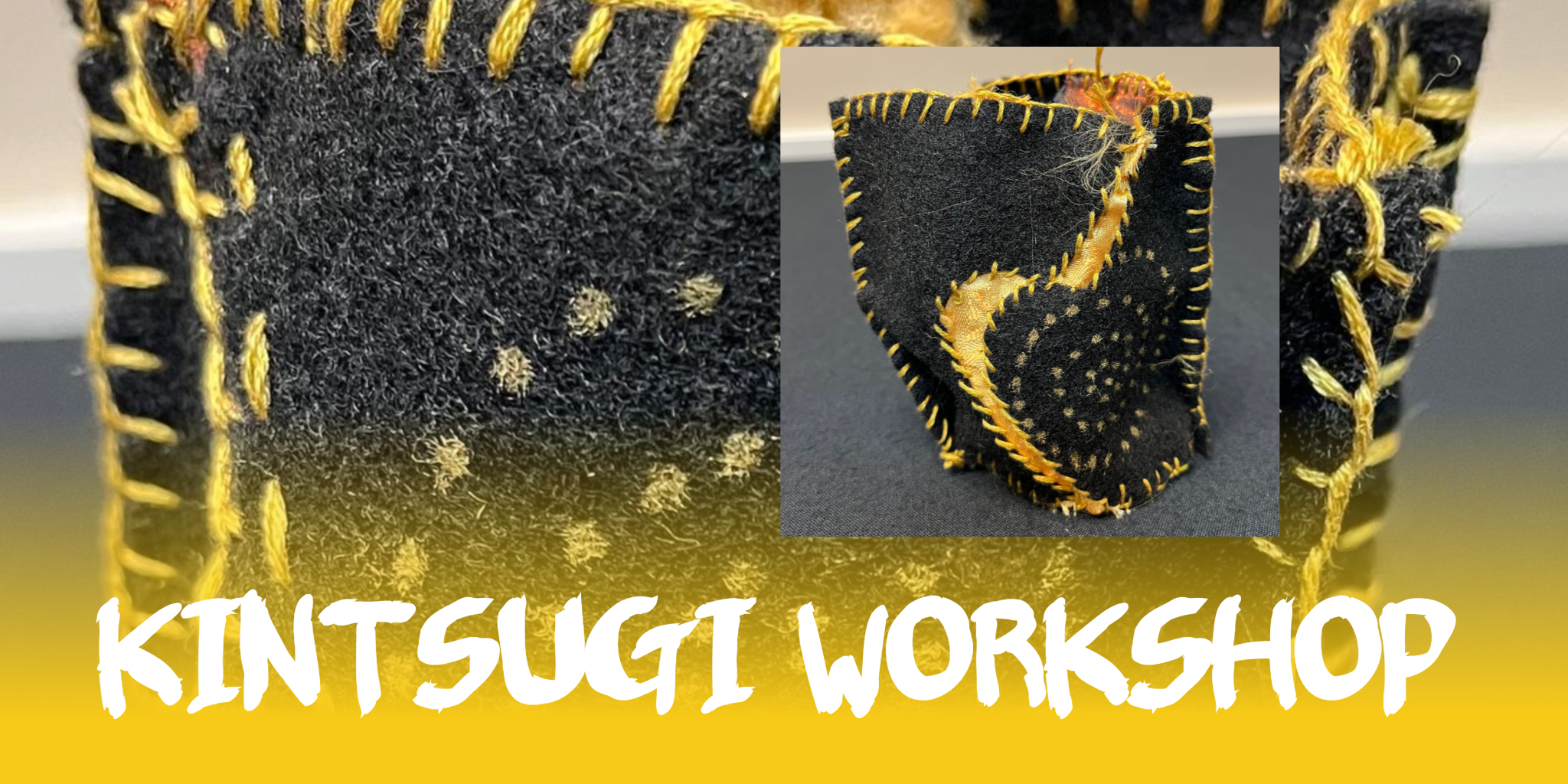
Kintsugi, the Japanese art of repairing broken pottery with gold, does not hide damage—it honors it. In this workshop, participants worked not with ceramic, but with felt and gold thread: inexpensive, pliable, and accessible materials chosen with care.
“When I thought about translating kintsugi into something people could really work with, using felt made sense,” Basha explained. “It invites exploration. When the linear, problem-solving brain rests, all sorts of juicy things can emerge.”
That invitation—to explore, to play, to enter a liminal space—has shaped Basha’s life work. Trained as a social worker in community organizing, with further study in fiber arts, she came to understand early on that she was never meant to be a solitary artist. Her calling was something else entirely: building community through creative expression.
Over her 28 years at Cancer Lifeline, Basha has held countless stories of grief, resilience, and transformation. Her philosophy has remained steady.
“Grief doesn’t go away,” she says. “It morphs. It needs a place at the table so people can be seen, heard, held.”
For Basha, listening itself is the healing act.
“There is nothing for me to do but hold safe space and sincerely witness what is being shared. I don’t need to find an answer. That is enough.”
During the workshop, she noticed something quietly beautiful unfold. The room naturally divided—one side quiet, one side conversational. Both were content. Both were working deeply.
“It’s so important to honor the way each person functions in the world,” she reflected. “Our job as facilitators is to welcome all of it.”
Kintsugi’s philosophy resonates deeply with Basha’s own survivorship. Quoting Rumi, later echoed by Leonard Cohen, she offers: “There is a crack in everything—that’s how the light gets in.”
“It’s taken time,” she admits, “but I know myself now as a perfectly imperfect being. And that’s enough.”
Tending to others’ grief while holding her own has required honesty and care. At times—especially during her second cancer treatment—she stepped back when the rawness was too fresh. Other times, grief arrived unexpectedly, like the day a newly diagnosed friend sat on the floor with her, both of them holding hands and crying.
“Crying really helps,” she says with a smile. Laughter, spiritual inquiry, trusted friends, and deep self-listening have all been part of how she sustains herself.
When asked what the “gold seam” in her own cancer journey might be, Basha doesn’t hesitate. After her first diagnosis, she reached out to Cancer Lifeline for support. A few years later, she cold-called the organization, spoke with then-Executive Director Barbara Fredrick, and was hired to develop what became the Healing Arts for Creative Expression program.
“Is that magic or what?” she asks.
It’s a moment that didn’t erase loss—but transformed how she carried it.
Today, what Basha hopes participants take with them is simple, profound, and hard-won:
- That they are whole
- That healing is possible even without cure
- That vulnerability is a life-affirming strength
- That creativity is a powerful companion
- And that community can hold us through change, grief, and growth
After nearly three decades, what still calls her back?
“The chaos,” she says. “And the ever-present seed of life and love.”