
Exploring Safety, Support, and Emotional Well-Being
For many people living with advanced cancer, treatment is not a single chapter — it is an ongoing negotiation with uncertainty. Alongside the physical demands of serious illness, patients often carry something that doesn’t show up in lab results or imaging reports: profound anxiety, grief, a sense of loss of control, and questions that medicine alone cannot answer. Questions about what the future holds. About what still feels possible. About how to be present with the people they love when fear keeps pulling them somewhere else.
These experiences are common. They are also frequently undertreated.
Supportive care exists to meet people in that space — to offer something alongside medical treatment that addresses the whole person, not just the disease. And researchers are continuing to ask what more might be possible.
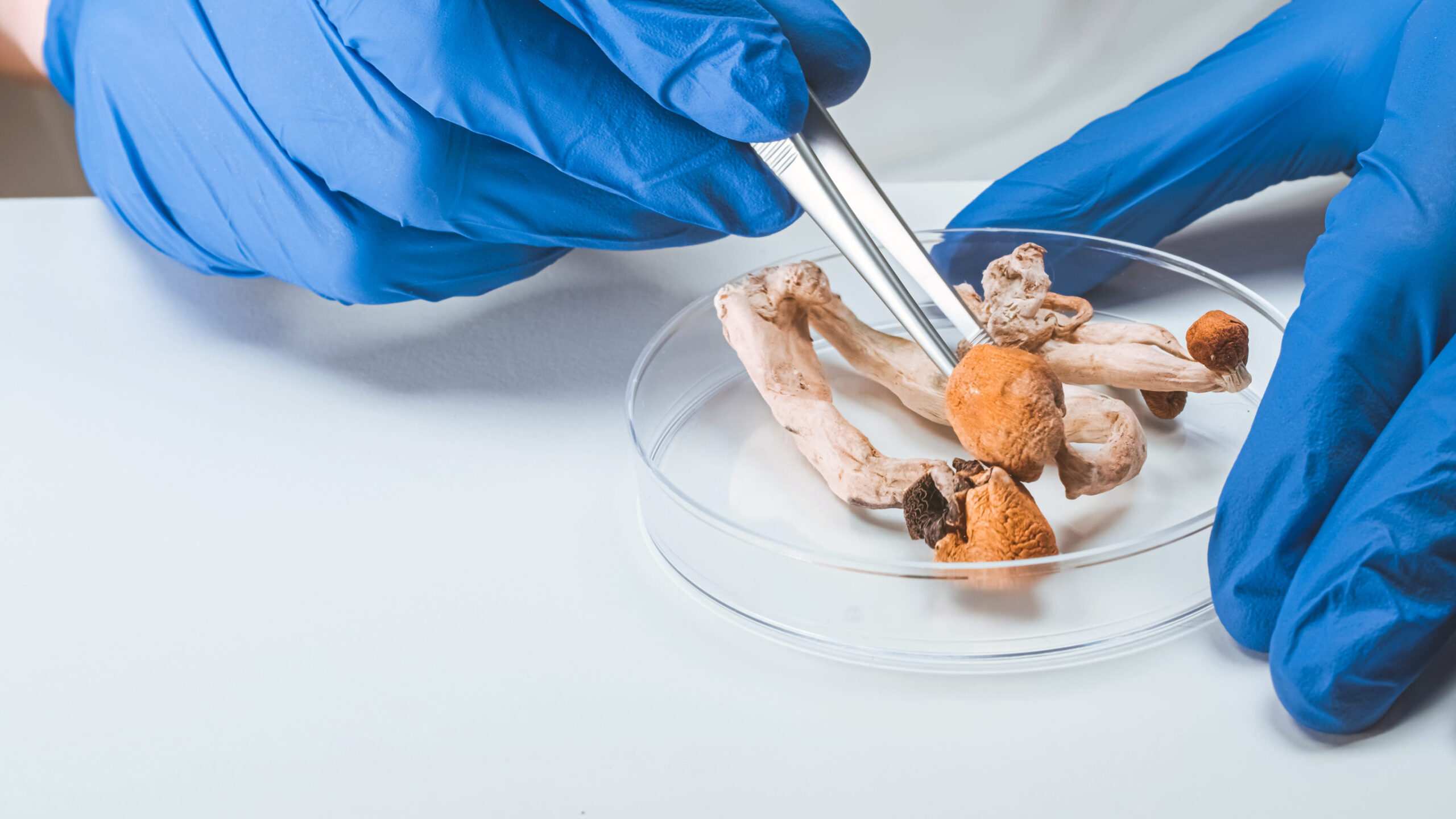
One area of research currently under investigation involves psychedelics — specifically, psilocybin therapy delivered within a structured group setting and conducted under strict medical and regulatory oversight. This approach is not yet an approved treatment and remains in active clinical study. The goal of early research has been to understand whether it can be delivered safely — and to start understanding whether participants experience benefits.
What the Research Found
A Phase 1/2 clinical study led by Dr. Anthony Back at the University of Washington and Dr. Bonnie McGregor at the Orion Center for Integrative Medicine enrolled individuals living with metastatic cancer who were experiencing moderate to severe symptoms of anxiety or depression. Many were still actively in treatment — chemotherapy, immunotherapy, targeted therapy — navigating the physical and emotional weight of both at once.
Participants attended a structured experience that included virtual preparation sessions, a three-day in-person retreat, and virtual integration sessions afterward. The retreat took place at a rustic, natural setting designed to support rest, reflection, and community. The model was built around three phases — preparation, the psilocybin session itself, and integration — with each phase intended to help participants move through the experience with support and return home with something they could carry forward.
The study enrolled 55 participants, with 52 completing the retreat. Safety was the primary focus. Across eight retreats, researchers documented no serious adverse events attributed to the intervention and no instance of unattended participant distress during a psilocybin session. Participants reported feeling supported throughout.
Researchers also measured changes in anxiety and depression using the Hospital Anxiety and Depression Scale, a tool validated for use with people living with cancer. On average, participants showed meaningful reductions in symptoms within four weeks of the retreat, with improvements sustained at six months. Additional measures suggested reductions in distress related to death and dying, as well as improvements in quality of life and psychosocial well-being.
These findings are exploratory. The study was designed to establish safety and gather early evidence, not to draw final conclusions. The researchers are clear that larger trials are needed before this approach could be more widely considered.
Why This Research Matters
What’s at stake in this work is not simply the reduction of clinical symptoms — though that matters enormously. What’s at stake is the quality of the time people have.
People living with advanced cancer are not waiting. They are living — raising families, sustaining relationships, working, creating, loving. Anxiety and depression don’t just cause suffering in the abstract; they narrow the aperture of daily life. They make it harder to be present. They can make a person feel more alone, even when surrounded by people who love them.
Supportive care — including counseling, support groups, spiritual care, and community connection — has always recognized this. The research being done in this space is not a departure from that tradition. It is an extension of it: a serious, careful inquiry into whether there are additional ways to help people reclaim a sense of wholeness alongside medical treatment.
Building on What Has Been Learned
Clinical research moves in stages — each phase designed to answer a specific set of questions before opening the next door. The initial phase of this research established that a group retreat model could be delivered safely for people with serious illness. The current phase, now underway, builds on those findings.
As described on the University of Washington study website, the research continues to examine preparation, a three-day retreat experience, and follow-up integration as a connected arc of support. Participation is carefully screened, and confidentiality protections are maintained throughout. You can learn more at: https://depts.washington.edu/healingheartsstudy/
Cancer Lifeline’s Commitment to Supporting This Work
Cancer Lifeline is honored to be connected to this research through the leadership of Bonnie McGregor, PhD, our Research and Clinical Director, who serves on the research team alongside Dr. Back and colleagues. Dr. McGregor’s involvement reflects her long-standing commitment to compassionate, evidence-informed care for people living with cancer — and our organization’s broader commitment to supporting research that takes both rigor and humanity seriously.
We are proud to support her work and the collaboration between clinical care, academic research, and community-based support that makes this kind of careful inquiry possible.
For Patients and Families Considering Learning More
If you or someone you love is living with advanced cancer and navigating significant anxiety, depression, or emotional distress — if the weight of it has been difficult to name, let alone address — this study may be worth exploring.
The decision to participate is deeply personal, and one to consider alongside your medical team and the people closest to you. There is no pressure and no expectation. Participation is always voluntary, and choosing not to participate will never affect the care you receive.
To learn more about the study, eligibility, and what participation involves, visit the research team directly: https://depts.washington.edu/healingheartsstudy/
A Note of Appreciation
This research is administered through the Fred Hutch Cancer Center, whose ongoing commitment to advancing cancer care research in our region makes studies like this one possible. Cancer Lifeline is grateful to work with Fred Hutch — in this, and in the broader mission of supporting people living with cancer in our community.